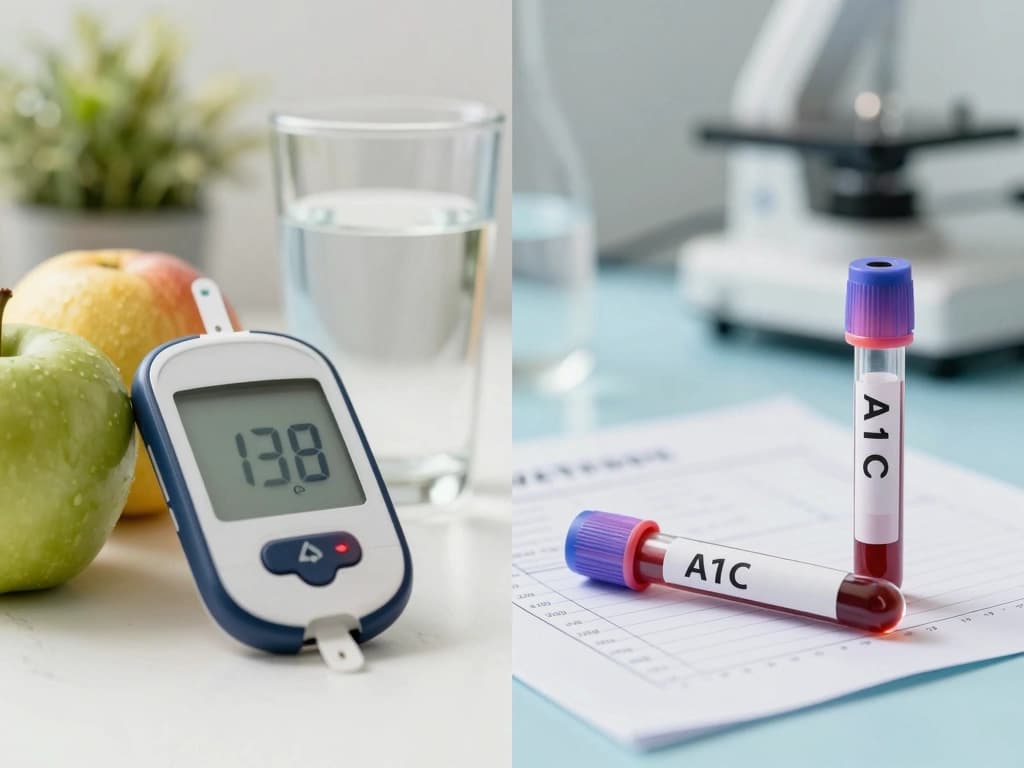
Understanding A1C: What It Measures and Why It Matters
Definition of A1C and Its Purpose
A1C, also known as glycated hemoglobin, is a blood test that provides information about a person's average levels of blood glucose over the past three months. It measures the percentage of hemoglobin—the protein in red blood cells that carries oxygen—that is coated with sugar (glucose). The primary purpose of the A1C test is to diagnose and monitor diabetes, as well as to assess how well blood sugar levels are being controlled over time.
How A1C is Calculated
A1C is expressed as a percentage. For example, an A1C level of 7% indicates that 7% of the hemoglobin in the blood has glucose attached to it. This percentage correlates with average blood glucose levels, and several formulas have been developed to translate A1C percentages into estimated average glucose (eAG) levels. The formula commonly used is:
- eAG (mg/dL) = (A1C × 28.7) - 46.7
For instance, an A1C of 6% corresponds to an estimated average glucose of around 126 mg/dL. This calculation helps patients understand their blood sugar levels in more familiar terms.
Normal vs. Abnormal A1C Levels
Normal A1C levels typically range from 4% to 5.6%. An A1C level between 5.7% and 6.4% indicates prediabetes, while an A1C of 6.5% or higher is diagnostic for diabetes. Understanding these levels is crucial for early intervention and management of blood sugar levels to prevent complications associated with diabetes.
Fasting Glucose: A Quick Overview
Definition and Importance of Fasting Glucose
Fasting glucose is a blood test that measures the level of glucose in the blood after an overnight fast (usually 8 hours). This test is essential for diagnosing diabetes as well as monitoring blood glucose levels in individuals already diagnosed with the condition. It helps assess how well the body manages glucose in a controlled state, free from the influence of recent food intake.
Recommended Fasting Period and Testing Conditions
To obtain accurate fasting glucose results, patients are typically instructed to refrain from eating or drinking anything other than water for at least 8 hours prior to the test. It's vital that the test is conducted in a controlled environment, ideally in the morning, to minimize variations caused by daily activities or stress.
Normal vs. Abnormal Fasting Glucose Levels
Normal fasting glucose levels range from 70 to 99 mg/dL. Levels between 100 and 125 mg/dL are indicative of prediabetes, while a fasting glucose level of 126 mg/dL or higher confirms a diabetes diagnosis. Recognizing these thresholds is critical for effective diabetes management and prevention strategies.
Key Differences Between A1C and Fasting Glucose
Measurement Timeframes and Their Implications
The primary difference between A1C and fasting glucose readings lies in the timeframes they reflect. A1C provides an average of blood glucose levels over a three-month period, making it a valuable tool for assessing long-term glucose control. In contrast, fasting glucose reflects a single point in time, providing insight into how the body responds to glucose in a fasting state.
This distinction is crucial for patients and healthcare providers. For example, a patient may have an A1C level indicating good long-term control but could have a fasting glucose level that suggests an acute spike in blood sugar, which might require immediate intervention.
Factors Influencing A1C and Fasting Glucose Results
Several factors can affect A1C and fasting glucose results. For A1C, factors such as hemoglobin variants, blood disorders (like anemia), and certain chronic conditions can lead to misleading results. For example, patients with hemolytic anemia may have lower A1C levels despite having elevated blood glucose levels.
Fasting glucose levels can be influenced by stress, illness, medication, and even hormonal changes. For instance, a person who is ill or under stress may experience elevated fasting glucose levels due to the release of stress hormones like cortisol, which can increase blood sugar levels.
Clinical Uses: When to Use Each Test
Both tests have specific clinical applications. A1C is primarily used for the diagnosis and ongoing management of diabetes, as well as for assessing the effectiveness of treatment plans over time. Healthcare providers often recommend A1C testing every three to six months for patients with diabetes.
Fasting glucose is typically used for initial diabetes screening and diagnosis. It can also be useful for assessing glucose tolerance and identifying individuals at risk for developing type 2 diabetes. In some cases, doctors may recommend performing both tests together to get a comprehensive view of a patient’s glucose management.
Interpreting Results: What Do They Mean for Your Health?
Understanding Risk Levels Based on A1C and Fasting Glucose
Interpreting A1C and fasting glucose results is essential for understanding an individual's risk for diabetes and related complications. Elevated A1C and fasting glucose levels indicate an increased risk of developing serious health issues, including cardiovascular disease, kidney damage, and nerve damage.
For example, a patient with an A1C of 8% and a fasting glucose of 150 mg/dL is at a higher risk for diabetes-related complications compared to someone with an A1C of 5.8% and a fasting glucose of 90 mg/dL. Understanding these risk levels can help motivate lifestyle changes and adherence to treatment plans.
How to Combine Results for Better Health Insights
Combining A1C and fasting glucose results can provide a clearer picture of an individual’s overall glucose management. For instance, a person with a normal fasting glucose level but a high A1C may be experiencing postprandial (after meal) hyperglycemia that isn't captured by fasting tests alone. In such cases, continuous glucose monitoring or additional testing may be necessary.
Conversely, a patient with a high fasting glucose level but a normal A1C could indicate that blood sugar levels are spiking after meals but returning to normal quickly. This insight can guide healthcare providers in tailoring treatment plans, possibly incorporating dietary changes or medication adjustments.
Common Misconceptions about A1C and Fasting Glucose
There are several misconceptions surrounding A1C and fasting glucose that can lead to confusion. One common myth is that A1C is the only test needed for diabetes management. While it provides valuable long-term insights, it does not replace the need for regular fasting glucose testing.
Another misconception is that a normal fasting glucose level guarantees overall good health. Patients may overlook the importance of A1C testing, which can identify issues that fasting glucose alone might miss. Understanding these misconceptions is essential for effective diabetes management.
Next Steps: Managing Blood Sugar Based on Test Results
Diet and Lifestyle Changes for Optimal A1C and Glucose Levels
Managing blood sugar levels effectively often requires a combination of dietary and lifestyle changes. Incorporating a balanced diet rich in whole foods, such as fruits, vegetables, whole grains, lean proteins, and healthy fats, can significantly impact A1C and fasting glucose levels. For example, a diet low in refined sugars and high in fiber can help stabilize blood sugar levels.
- Examples of beneficial foods:Leafy greens (spinach, kale)
- Whole grains (quinoa, brown rice)
- Lean proteins (chicken, fish, tofu)
- Healthy fats (avocado, nuts, olive oil)
In addition to dietary changes, regular physical activity is crucial. Engaging in at least 150 minutes of moderate-intensity exercise each week can enhance insulin sensitivity and help maintain healthy blood sugar levels. Activities such as walking, cycling, swimming, or strength training can be effective.
Monitoring and Follow-Up Testing Recommendations
Regular monitoring of blood sugar levels is vital for individuals with diabetes or those at risk. Healthcare providers typically recommend A1C testing every three to six months, depending on the individual's treatment plan and control of diabetes. Fasting glucose tests may be performed annually or more frequently, depending on the clinical situation.
Home glucose monitoring can also be beneficial. Patients may be advised to check their blood sugar levels regularly using glucometers, especially if they experience symptoms of hyperglycemia or hypoglycemia.
Consulting Healthcare Professionals: When and Why
Consulting healthcare professionals is crucial for anyone managing diabetes or at risk for developing the condition. Regular check-ups with a primary care physician, endocrinologist, or registered dietitian can provide valuable insights into managing blood sugar levels effectively.
Patients should schedule appointments if they experience symptoms such as unexplained weight loss, increased thirst, frequent urination, or fatigue, as these may indicate poorly controlled blood sugar levels. Moreover, healthcare professionals can recommend personalized treatment plans based on individual test results and overall health status.